"WE NOT ONLY PUMP YOUR TANK - WE CLEAN IT!"

WE NOT ONLY PUMP YOUR TANK - WE CLEAN IT! Free Septic System Inspection ($99 Value)
Free enzyme treatment - Financing Available
"WE NOT ONLY PUMP YOUR TANK - WE CLEAN IT!"
WE NOT ONLY PUMP YOUR TANK - WE CLEAN IT! Free Septic System Inspection ($99 Value)
Free enzyme treatment - Financing Available
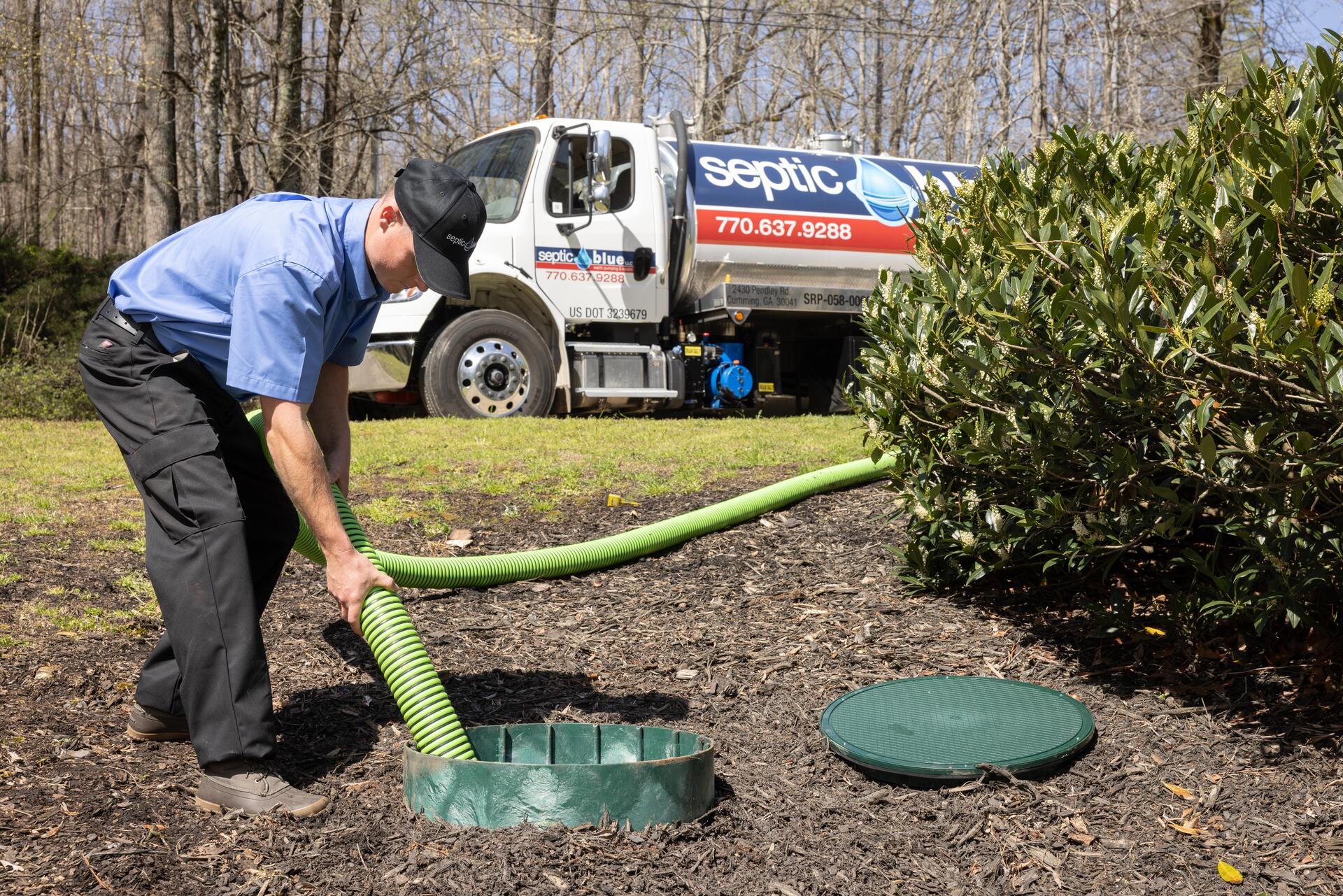
A septic system plays a critical role in managing household wastewater, yet it's often taken for granted until a costly issue appears. Everything that goes down drains and toilets has a direct impact on how well the system performs and how long it lasts. Poor disposal habits can overwhelm the tank, disrupt natural bacteria, and lead to backups that require professional septic pumping or emergency repairs in Lakeland, FL. Understanding what should never enter the system is one of the simplest ways to avoid unnecessary damage and expenses.
 Feb 04, 2026
In this blog post, our professionals from Septic Blue will explain what should never go down a septic system.
Diagnosing a septic problem used…
Installing a new septic system…
.webp)
A septic backup rarely announces…
Grease may seem harmless in liquid form, but it quickly cools and hardens inside pipes and septic tanks. Over time, fats and oils build thick layers that block normal wastewater flow and reduce the tank’s effective capacity. This buildup forces solids to move into the drain field, increasing the risk of failure and costly remediation. Regular septic pumping helps manage accumulated waste, but grease accelerates problems that pumping alone cannot solve. Keeping these substances out of drains protects system balance and minimizes calls to a septic company for preventable clogs.
Many wipes and hygiene products are marketed as flushable, yet most do not break down as toilet paper does. Inside a septic tank, these materials remain intact, tangling together and creating stubborn blockages. Feminine hygiene products, diapers, and paper towels also resist decomposition and quickly fill the tank. Frequent septic cleaning may temporarily address the symptoms, but repeated misuse increases long-term damage. Proper disposal in the trash keeps the system flowing and reduces strain on any septic service responsible for maintenance.
Strong chemicals such as bleach, drain cleaners, and disinfectants can disrupt the natural bacteria that septic systems rely on to break down waste. Without these bacteria, solids accumulate faster and require more frequent septic pumping. Paint thinners, solvents, and pesticides are even more damaging, often lingering in the tank and contaminating the drain field. Using septic-safe cleaning products supports healthy bacterial activity and lowers the risk of system imbalance. A reputable septic company will often stress that moderation and product choice matter as much as regular service.
Expired or unused medications should never be flushed down toilets or washed down sinks. These substances do not fully break down in septic tanks and can interfere with bacterial processes. Antibiotics are especially problematic, as they reduce beneficial bacteria populations essential for waste digestion. Over time, this leads to sludge buildup and more frequent septic cleaning requirements. Safe disposal programs and local take-back options offer a responsible alternative that protects both the septic system and surrounding groundwater.
Septic systems are designed to handle human waste and toilet paper, not large volumes of food scraps. Coffee grounds, vegetable peels, and leftovers add unnecessary solids that settle in the tank and reduce available space. Even garbage disposals increase strain by introducing particles that still accumulate over time. Increased solids mean septic pumping becomes necessary sooner than expected. Limiting food waste down drains extends system life and reduces reliance on emergency septic service visits.
Anything made of plastic or synthetic materials poses a serious threat to septic systems. Items such as dental floss, cigarette butts, and cotton swabs resist breakdown and often lodge in pipes or tanks. Over time, these materials accumulate and reduce system efficiency. Septic cleaning can remove some debris, but repeated exposure raises the likelihood of drain field damage. Mindful disposal habits remain one of the most effective ways to prevent service calls.
Are you in need of septic cleaning? Luckily, we at Septic Blue have dedicated workers ready at your service. Contact our representatives for more questions.
Discovering that your property requires a new septic tank can…
View Service