"WE NOT ONLY PUMP YOUR TANK - WE CLEAN IT!"

WE NOT ONLY PUMP YOUR TANK - WE CLEAN IT! Free Septic System Inspection ($99 Value)
Free enzyme treatment - Financing Available
"WE NOT ONLY PUMP YOUR TANK - WE CLEAN IT!"
WE NOT ONLY PUMP YOUR TANK - WE CLEAN IT! Free Septic System Inspection ($99 Value)
Free enzyme treatment - Financing Available
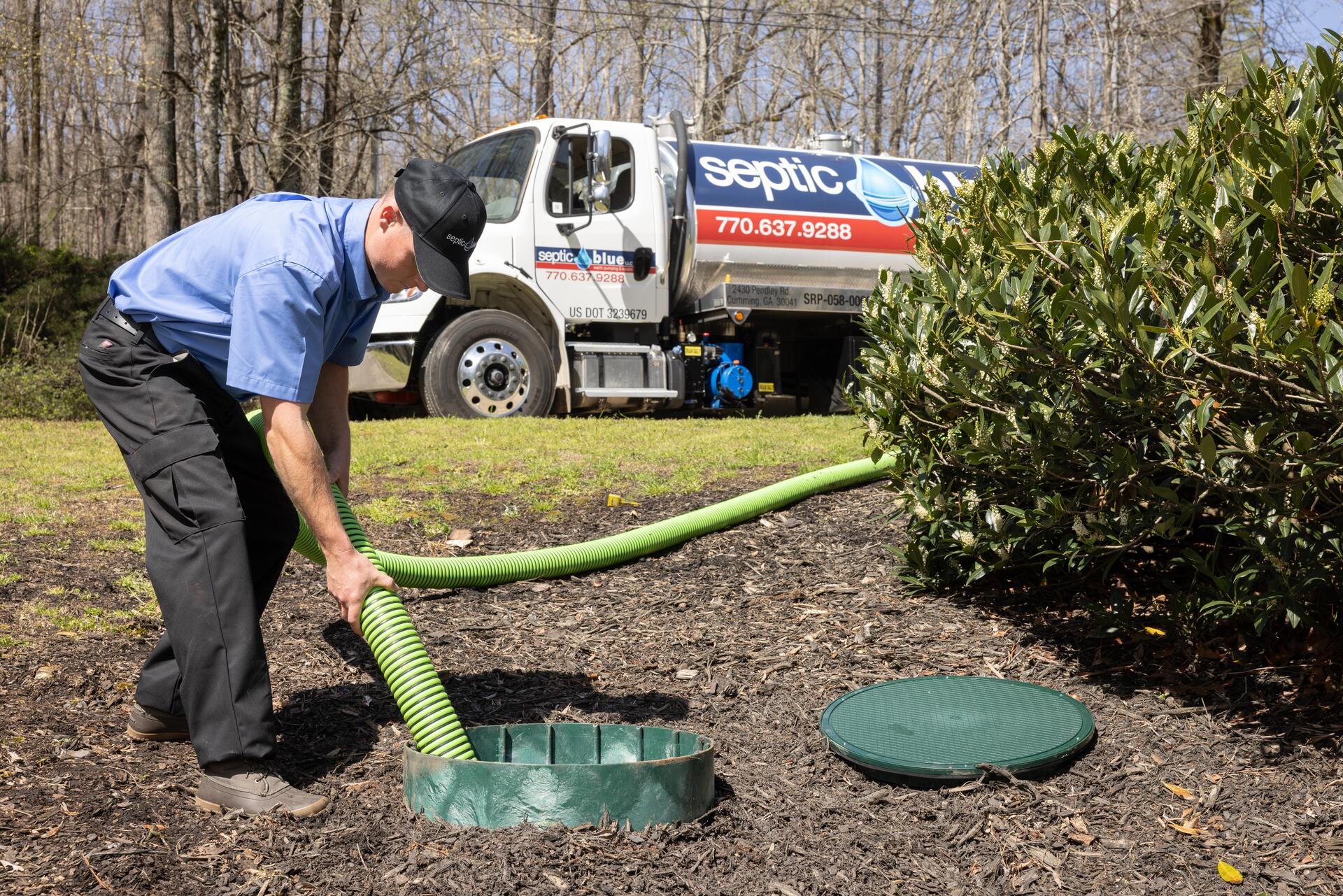
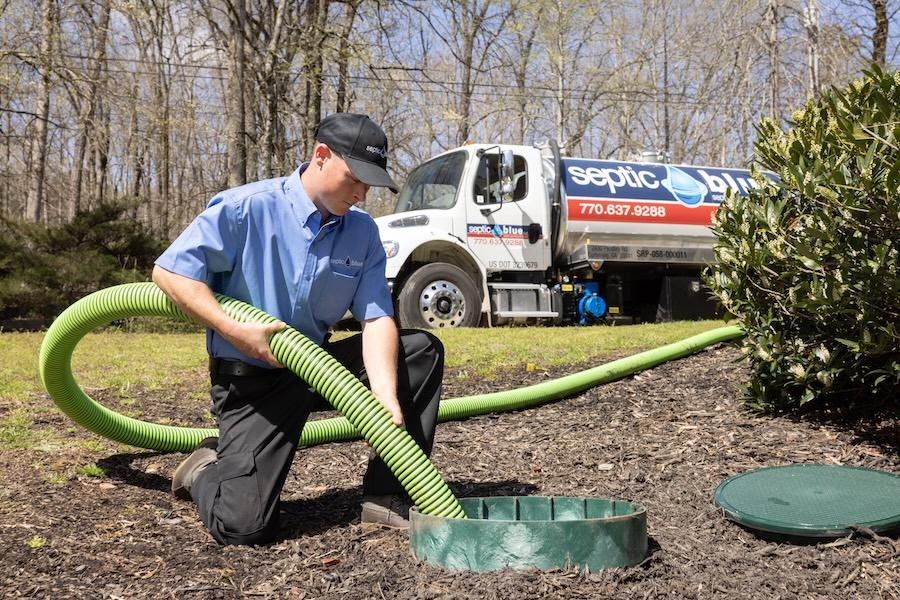
Every flush sets a complex process in motion beneath your property, moving waste through pipes and into a system designed to separate, break down, and safely disperse it. A septic system is engineered for human waste and toilet paper only, not for household trash, chemicals, or leftover food. Treating it like a disposal unit puts strain on every component and shortens its lifespan. Learning what actually happens after the handle is pushed helps protect the system, avoid costly damage, and reduce the need for emergency calls to a septic company in Lakeland, FL.
 Jan 17, 2026
In this blog post, our professionals from Septic Blue will explain why your septic tank isn’t a trash can and what happens after you flush.
Diagnosing a septic problem used…
Installing a new septic system…
.webp)
A septic backup rarely announces…
After flushing, wastewater flows into the septic tank where gravity does most of the work. Solids sink to the bottom and form sludge, while oils and grease float to the top as scum. Between these layers sits liquid effluent that eventually moves out into the drain field. Bacteria inside the tank digest organic material, but they work slowly and only on appropriate waste. Items like wipes, paper towels, and hygiene products do not break down and instead build up, increasing the frequency of septic pumping and raising the risk of backups.
Flushing trash forces materials into a system that never meant to handle them in the first place. Plastics and synthetic fibers remain intact, clogging inlet and outlet pipes and interfering with normal flow. Over time, these materials reduce the tank’s capacity and allow solids to escape into the drain field, where they can cause irreversible damage. Once the drain field is compromised, even professional septic cleaning may not be enough to restore proper function, leading to major repairs or a full replacement.
Grease may go down the drain as a liquid, but it cools and hardens inside the tank and pipes. This thick layer of scum restricts airflow and limits bacterial activity. Harsh chemicals add another layer of trouble by killing the beneficial bacteria that break down waste. Without a healthy bacterial balance, sludge accumulates faster, forcing more frequent septic service visits. Overuse of cleaners, solvents, and antibacterial products turns routine maintenance into an ongoing struggle.
The drain field is the final stage of the process, filtering liquid effluent back into the soil. This area relies on clear, unobstructed flow. Excess solids, grease, or non-degradable waste clog the soil and prevent proper absorption. Once this happens, wastewater can surface in the yard or back up into the home. Protecting the drain field starts with mindful flushing habits and regular inspections by a trusted septic company.
No septic system is maintenance-free. Septic pumping removes accumulated sludge and scum before they cause damage, while septic cleaning helps restore internal balance and efficiency. Skipping these services allows small issues to grow into expensive emergencies. A consistent schedule based on household size and usage keeps the system working as designed and reduces stress on every component.
A reliable septic service does more than pump a tank, it evaluates the entire system and provides guidance on proper use. Experienced professionals spot early warning signs, recommend realistic maintenance intervals, and help avoid unnecessary repairs. Building a relationship with a reputable septic company ensures long-term performance and peace of mind.
Are you in need of septic cleaning? Luckily, we at Septic Blue have dedicated workers ready at your service. Contact our representatives for more questions.
Discovering that your property requires a new septic tank can…
View Service