"WE NOT ONLY PUMP YOUR TANK - WE CLEAN IT!"

WE NOT ONLY PUMP YOUR TANK - WE CLEAN IT! Free Septic System Inspection ($99 Value)
Free enzyme treatment - Financing Available
"WE NOT ONLY PUMP YOUR TANK - WE CLEAN IT!"
WE NOT ONLY PUMP YOUR TANK - WE CLEAN IT! Free Septic System Inspection ($99 Value)
Free enzyme treatment - Financing Available
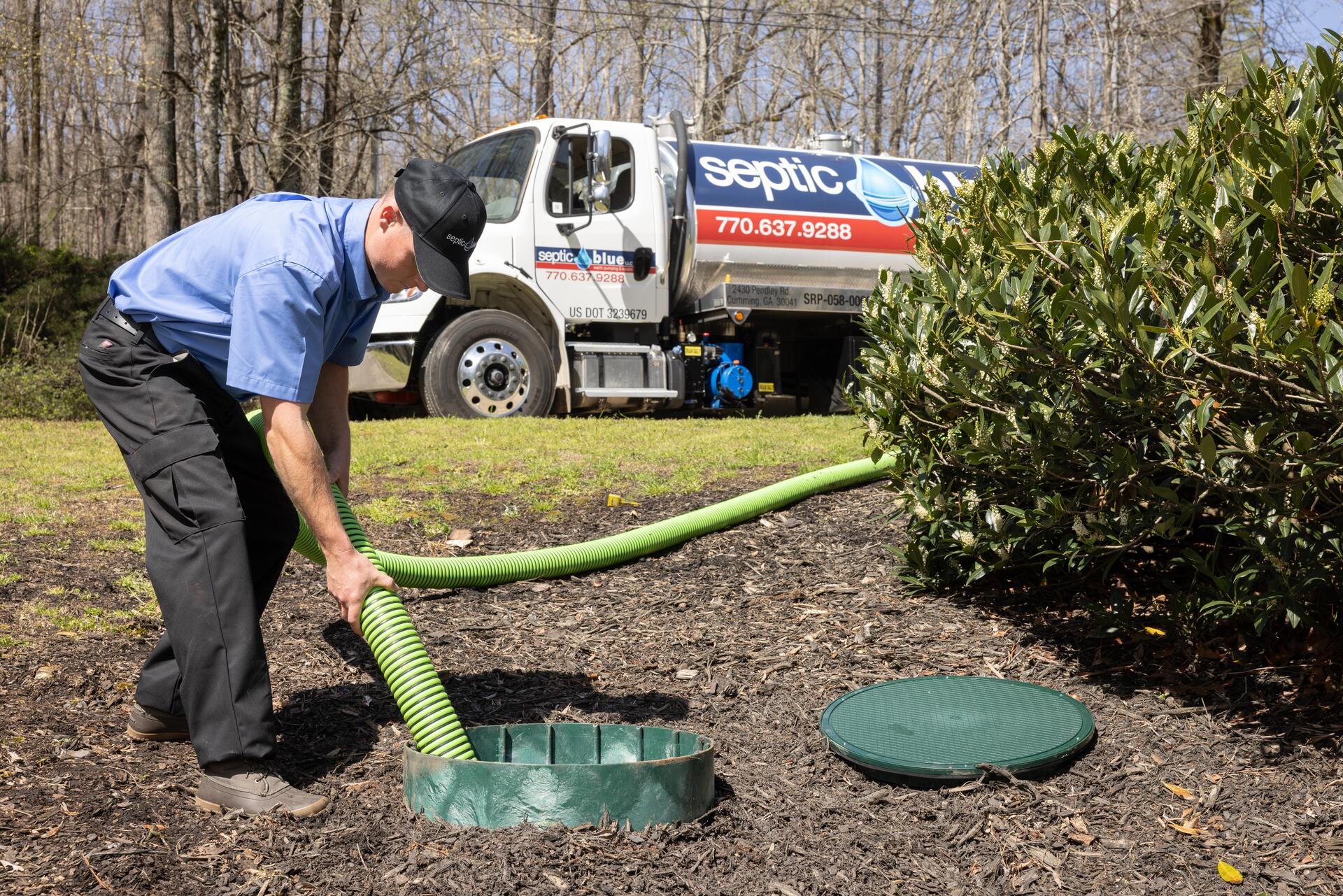
Installing a new septic system is a significant project, and knowing what to expect on the actual installation day can help you prepare your property and your schedule accordingly. Heavy equipment, multiple crew members, and a fair amount of digging are all part of the process, which can feel overwhelming if you've never been through it before. Having a clear picture of the timeline and requirements ahead of time makes the day go much more smoothly.
 Aug 12, 2026
In this blog post, our professionals from Septic Blue will explain what typically happens on installation day, from arrival to final cleanup.
Diagnosing a septic problem used…
Installing a new septic system…
.webp)
A septic backup rarely announces…
Most installation days begin early, with crews arriving to review the approved site plan and mark out the exact location for the tank and drain field. This step often involves calling in utility locators beforehand to confirm there are no buried lines in the way before any digging begins. A septic company in Lakeland, FL will usually walk the property with you at this stage to confirm access points and answer any last minute questions.
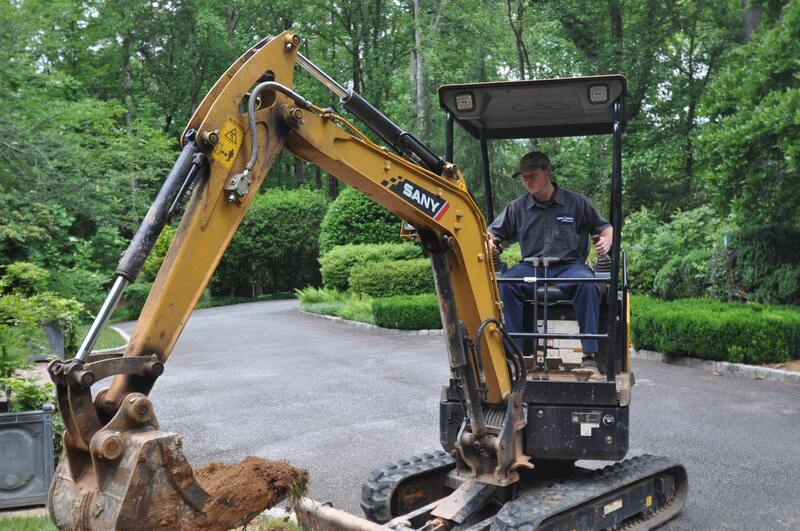
Excavators, dump trucks, and flatbed trucks carrying the tank are common during installation, so clearing driveways and pathways ahead of time gives the crew plenty of room to work. Smaller equipment, like compactors and hand tools, gets used for finer grading work once the major excavation is complete. Depending on the size of your property, you might also see a crane or lift used to carefully lower the tank into its final position.
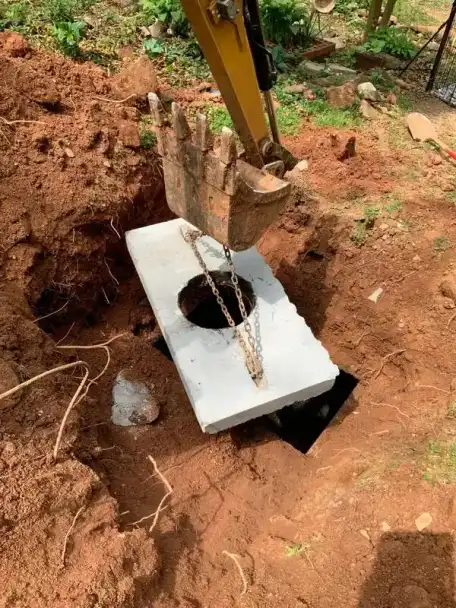
Once the site is marked and equipment is in place, crews begin excavating the hole for the tank, followed by trenches for the drain field lines. This portion of the day tends to be the loudest and most visually disruptive, though it's also when the most progress happens. The tank gets carefully lowered into place and leveled before connections to the house and drain field are finalized, a process most septic service crews complete within a single afternoon.
Installation crews need clear access to the work area and a safe path for heavy equipment, helping prevent unnecessary damage to landscaping, fences, and driveways. If pets or young children are usually in the yard, it's worth making other plans for the day to keep them safe and help the installation stay on schedule. Communicating any specific property concerns ahead of time with your septic service helps the team plan their equipment placement more efficiently.
Once the tank and drain field are connected and tested, crews typically backfill the excavated areas and do an initial grading pass to prepare for reseeding or landscaping. You'll usually receive documentation confirming that the installation meets local code requirements, along with guidance on when your first septic pumping should be scheduled. Many providers also offer septic cleaning services down the line as part of an ongoing maintenance relationship.
Installation day involves a lot of moving parts, but understanding the process ahead of time makes it far less overwhelming. Preparing your property for equipment access and clearing the work area in advance helps everything move along smoothly. Staying in close communication with your installation crew throughout the day ensures any questions or concerns get addressed as they come up.
Are you in need of a septic service? Luckily, we at Septic Blue have dedicated workers ready at your disposal. Contact our representatives for more questions.
Discovering that your property requires a new septic tank can…
View Service