"WE NOT ONLY PUMP YOUR TANK - WE CLEAN IT!"

WE NOT ONLY PUMP YOUR TANK - WE CLEAN IT! Free Septic System Inspection ($99 Value)
Free enzyme treatment - Financing Available
"WE NOT ONLY PUMP YOUR TANK - WE CLEAN IT!"
WE NOT ONLY PUMP YOUR TANK - WE CLEAN IT! Free Septic System Inspection ($99 Value)
Free enzyme treatment - Financing Available
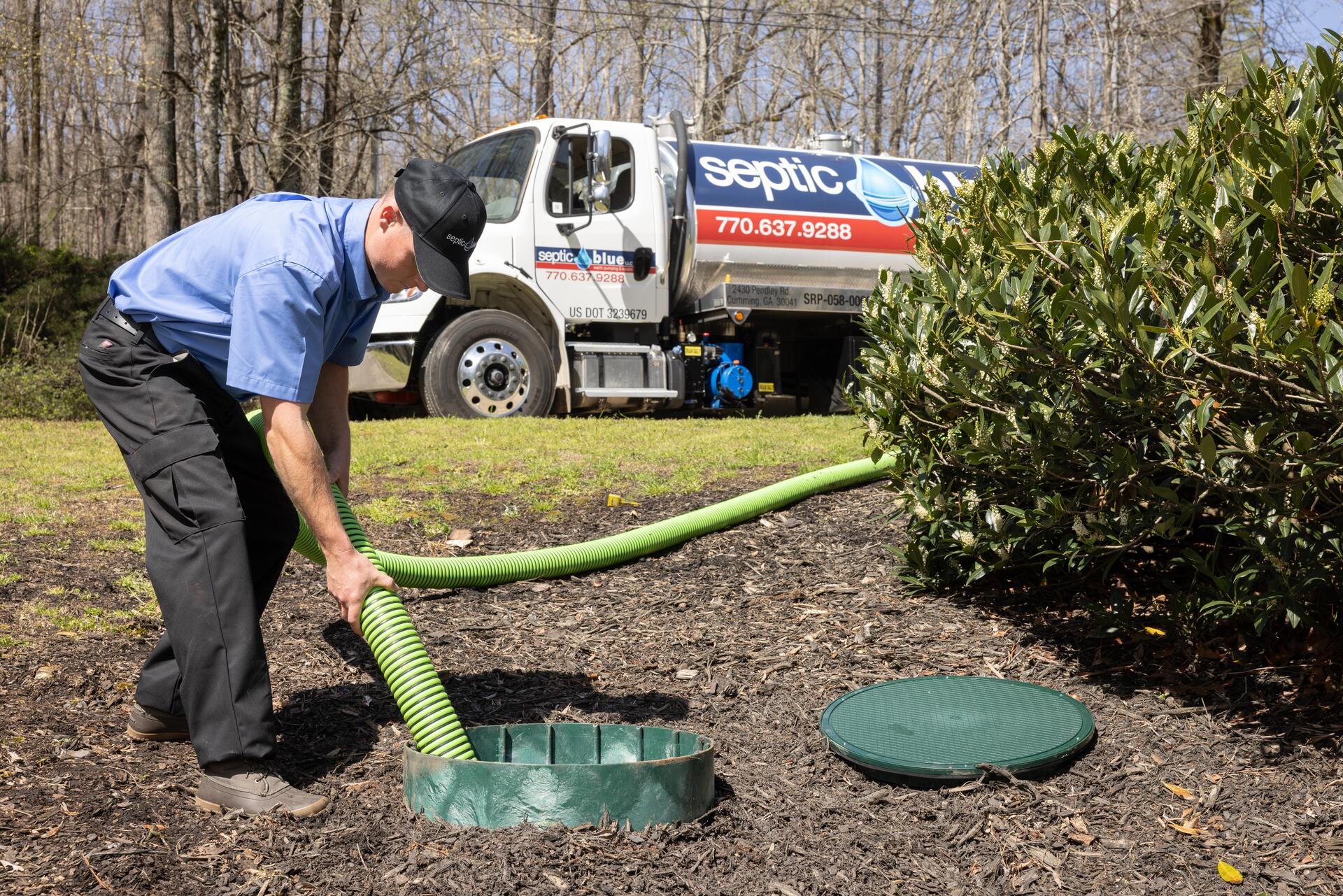
Owning a septic system means you have to be much more mindful of what goes down your drains compared to a home connected to a city sewer line. Your system relies on a delicate balance of bacteria, proper tank capacity, and consistent maintenance to work efficiently. If you accidentally send the wrong materials into your pipes, you can disrupt that balance, create clogs, and even cause costly backups. Toward the end of dealing with these issues, homeowners often need professional septic pumping, cleaning, or a visit from a septic company in Lakeland, FL.
.webp) Dec 11, 2025
Dec 11, 2025
In this blog post, our professionals from Septic Blue will talk about what can and can’t go down the drain when you have a septic system.
Homeownership comes with far more…
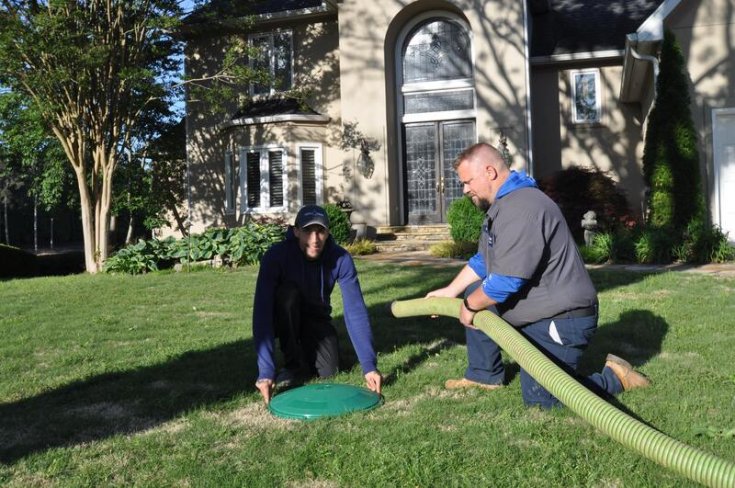
To maintain a healthy septic system, you should only flush human waste, water, and septic-safe toilet paper. Your septic tank relies on natural bacteria to break down organic material, and anything beyond that can create blockages or buildup that interrupts the process. Even items labeled “flushable,” like wipes or hygiene products, don’t actually break down the way toilet paper does, which means they linger in the tank and can lead to an expensive septic cleaning or pumping appointment sooner than expected.
Grease is one of the biggest threats to any septic system because it cools, hardens, and forms stubborn layers inside your pipes and tank. You may think hot water washes it away, but eventually that grease solidifies and causes slow drains or backups. Instead of rinsing it down the sink, collect cooking oils, fats, and grease in a container and throw them away. This simple habit drastically reduces the chances of needing emergency septic service down the line.
Coffee grounds and fibrous food scraps aren’t able to break down properly inside a septic system. Even if you use a garbage disposal, these materials contribute to sludge buildup, reducing the space your tank needs to function efficiently. Disposing of food in the trash or composting it protects your system and helps extend the time between septic pumping appointments.
Your septic system relies on beneficial bacteria to break down waste. Strong chemicals such as bleach, drain cleaners, disinfectants, and certain detergents can kill those bacteria. Once they’re gone, waste won’t break down correctly, which leads to odors, backups, or even system failure. Opt for septic-safe cleaning products and avoid chemical drain openers altogether. If you ever face a clog, rely on a professional septic company instead of harsh chemicals.
Paints, thinners, oils, and automotive fluids are toxic to your septic system and harmful to the environment. These materials contaminate the soil around your drain field and interfere with the natural filtration process. Properly disposing of hazardous liquids through approved waste facilities is essential in keeping your septic system functioning safely and effectively.
Your septic system is incredibly dependable as long as you treat it with care. Watching what you put down your drains, scheduling routine septic cleaning, and calling a trusted firm for inspections or service will keep your system running smoothly for years. With mindful habits and proper maintenance, you’ll extend the lifespan of your tank and avoid costly repairs.
Are you in need of septic cleaning? Luckily, we at Septic Blue have dedicated workers ready at your service. Contact our representatives for more questions.
Discovering that your property requires a new septic tank can…
View Service