"WE NOT ONLY PUMP YOUR TANK - WE CLEAN IT!"

WE NOT ONLY PUMP YOUR TANK - WE CLEAN IT! Get 10% Off Septic Repair Today
Up to 36 Months Financing Available
"WE NOT ONLY PUMP YOUR TANK - WE CLEAN IT!"
WE NOT ONLY PUMP YOUR TANK - WE CLEAN IT! Get 10% Off Septic Repair Today
Up to 36 Months Financing Available
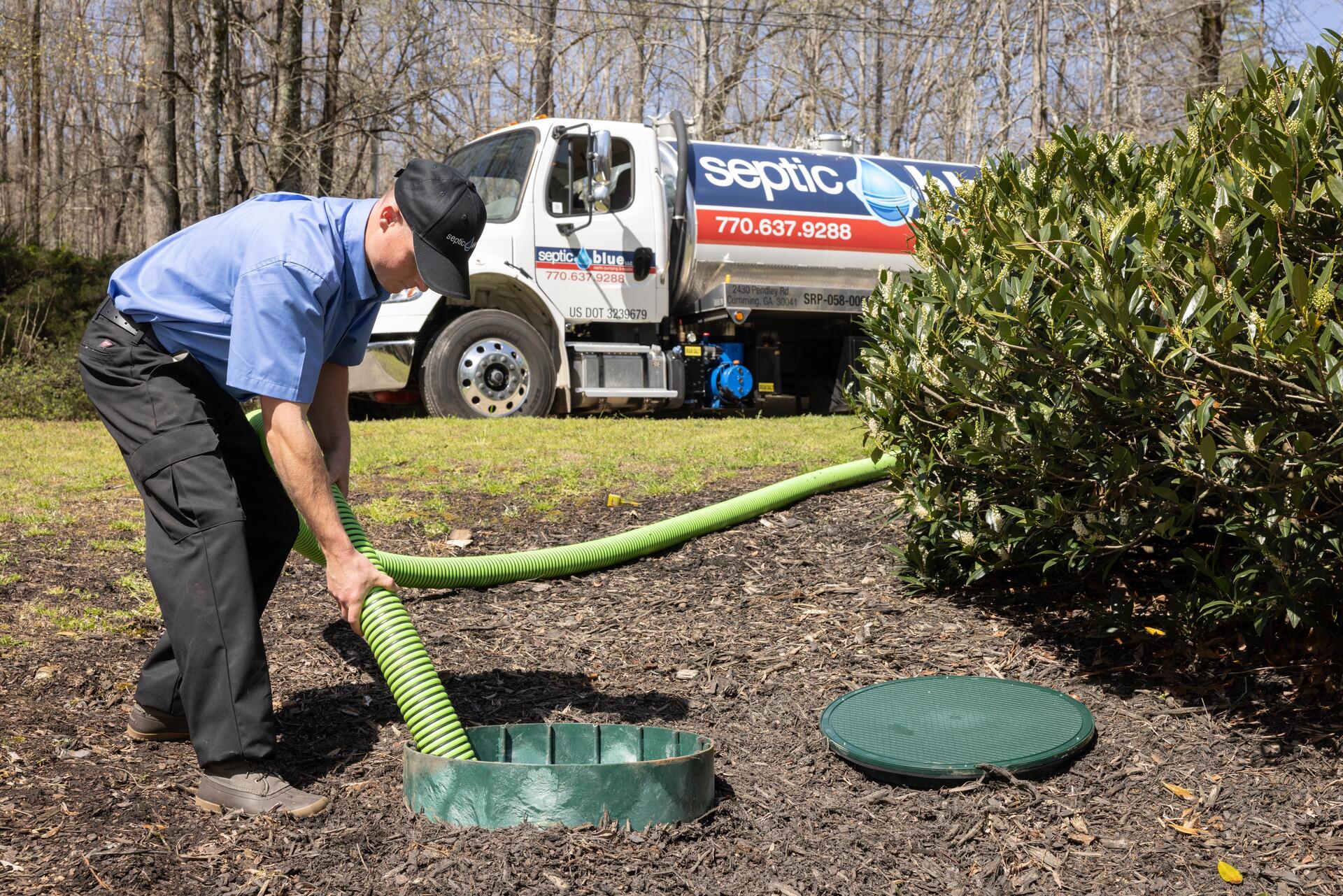
A sewage backup is one of the most stressful problems a homeowner can face. Wastewater may rise in tubs, showers, or floor drains, and the smell can spread fast. Calm, quick action limits the damage and protects your family's health. Knowing the right order of steps makes a big difference.
.webp) Oct 13, 2026
In this blog post, our professionals from Septic Blue will talk about what to do in the first few minutes, who to call, and how to prevent a repeat.

Homeowners often hear two terms…

A passing grade from a…

A septic system handles everything…
.webp)
Florida rain can arrive fast…
The first move is simple, stop sending water into the system. Skip showers, laundry, the dishwasher, and avoid flushing as well. Every gallon added has nowhere to go and may push more wastewater into your home. Ask everyone in the house to hold off until help arrives.
A septic backup is not the kind of problem that improves with time, and treating it as urgent is the right instinct. Raw sewage carries bacteria that can make people sick, so the area deserves respect from the moment it appears. Keep children and pets away, and put on gloves and boots before stepping anywhere near it. Power to the affected area should come off if water is close to outlets or appliances. Every hour spent waiting gives the contamination more room to spread, so reaching out to a septic service in Lakeland, FL early is the smartest move.
Your next call should go to a licensed septic company. Describe what you see, and mention any recent heavy rain. Many companies offer emergency visits, so ask about response times. Having the age of your system and the date of your last septic pumping ready helps the dispatcher plan something easily.
Once the crew arrives, they will look for the cause before choosing a fix. Most times the tank is full, and septic pumping clears the backlog and restores flow. If that does not solve it, they may check for a blocked pipe, a clogged outlet filter, or a flooded drain field. Septic cleaning of the tank and lines may follow to remove built up solids. A thorough septic service visit should end with a clear explanation of what went wrong.
Cleanup deserves as much care as the repair itself. Hard surfaces can be washed with hot water and a household disinfectant. Wet carpet and similar absorbent items often need professional removal, so call for help before hauling anything out yourself. Open windows and run fans to speed drying and cut the odor, and take photos before you start, since your insurer may ask for them. Skip harsh chemicals and additives afterward, as they can harm the helpful bacteria in the tank.
Regular maintenance is the best protection. Schedule septic pumping every three to five years, or as often as your septic company advises for your tank size and household. Watch what goes down the drain, and keep wipes, grease, and other non degradable items out of the toilet. Keep heavy vehicles and tree roots away from the tank and drain field. A routine septic service inspection can also catch early warning signs like slow drains and gurgling, which gives you time to act before a small issue turns into a backup that costs far more to clean up.
Are you in need of a septic service? Luckily, we at Septic Blue have dedicated workers ready at your disposal. Contact our representatives for more questions.
Discovering that your property requires a new septic tank can…
View Service