"WE NOT ONLY PUMP YOUR TANK - WE CLEAN IT!"

WE NOT ONLY PUMP YOUR TANK - WE CLEAN IT! Get 10% Off Septic Repair Today
Up to 36 Months Financing Available
"WE NOT ONLY PUMP YOUR TANK - WE CLEAN IT!"
WE NOT ONLY PUMP YOUR TANK - WE CLEAN IT! Get 10% Off Septic Repair Today
Up to 36 Months Financing Available
A passing grade from a home inspector can feel like a green light, since the report says the septic system looks fine and the closing date is close. Yet a general inspection and a septic inspection are not the same thing. Septic systems keep most of their parts underground, and small flaws can turn into big bills. A little extra checking now protects one of the biggest purchases you will ever make.
 Nov 02, 2026
In this blog post, our professionals from Septic Blue will talk about what home inspectors usually check, what a specialist adds, and why the extra step is worth it.

Homeowners often hear two terms…

A passing grade from a…

A septic system handles everything…
.webp)
Florida rain can arrive fast…
Home inspectors review the visible condition of a house from the roof to the foundation. For septic systems, many only note the location of the tank and check that toilets and drains work. That is a useful snapshot, but it does not show what is happening below ground. Most general inspectors are not trained to open the tank, measure sludge, or test the drainfield, and standards also vary by state and county. If the report only says the system functions, a licensed septic service in Lakeland, FL can fill in the missing details.
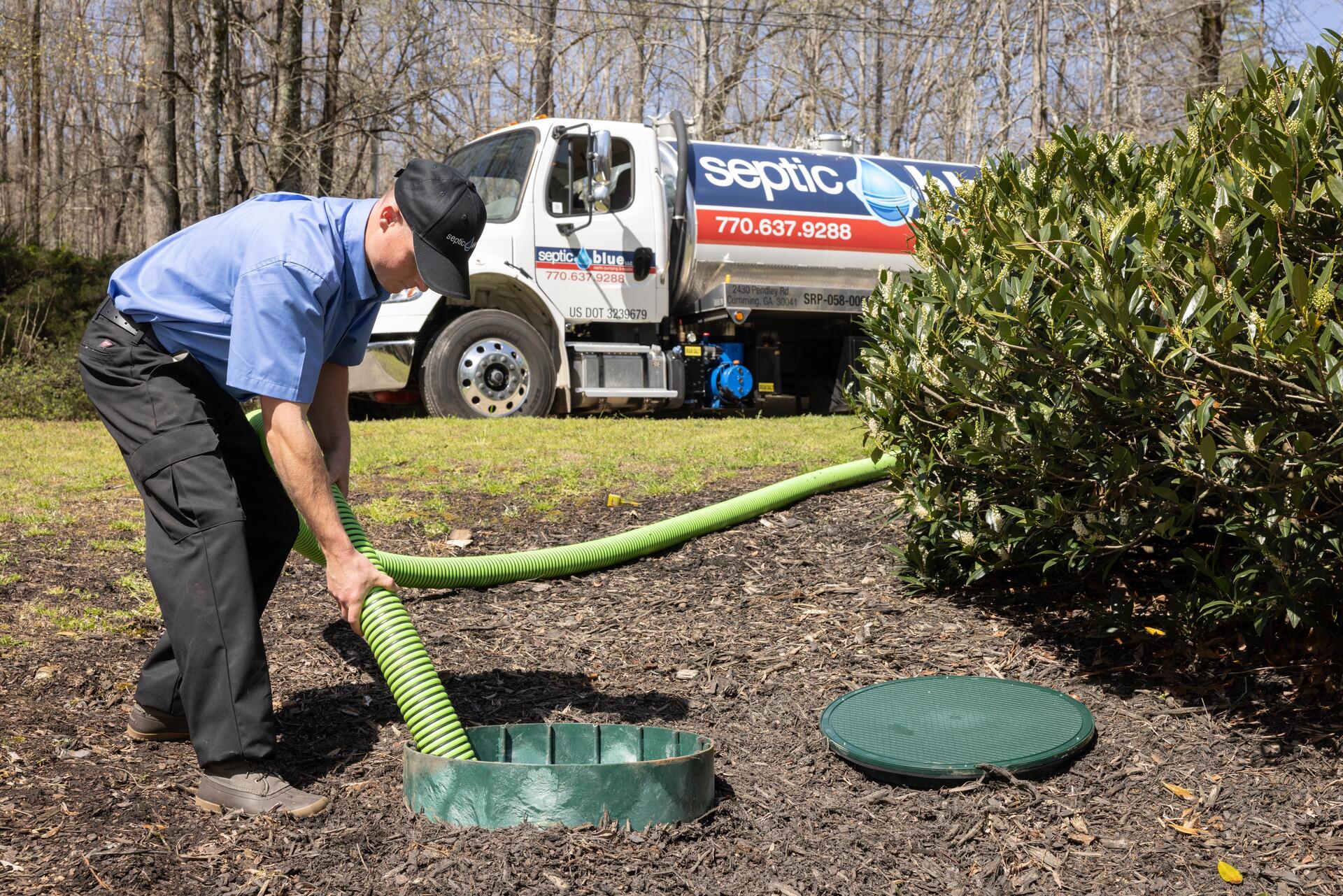
A qualified septic company takes a much closer look. The technician locates the tank and drainfield, then opens the lids to check the condition inside. They measure the sludge and scum layers, inspect the baffles, and confirm that the effluent filter is in good shape. Many inspections include septic pumping so the tank can be viewed while empty, which reveals cracks, leaks, and signs of backflow that a full tank would cover. The inspector also tests how well the drainfield absorbs water, and a written report then documents every finding.
Several costly issues stay out of sight during a quick walk-through, and each one tends to hide behind a system that still seems to work. A cracked or collapsed tank may still pass a flush test, while broken baffles quietly let solids escape into the drainfield. A saturated drainfield can look dry on a sunny day, and tree roots may be creeping toward the pipes without any visible sign above ground. Years of skipped maintenance can also leave thick sludge that calls for septic cleaning right away. Catching these problems before closing gives you a clear view of repair costs.
The cost of an inspection is a small fraction of what a failed drainfield can cost to replace, and that repair can run into a high dollar figure. A written report also gives you leverage to negotiate the price or request repairs. You can even ask the seller to handle septic pumping before closing. Some lenders and local rules require an inspection as well, so check what applies in your area. Even if the system passes, you gain a baseline and a maintenance plan that includes routine septic cleaning.
A home inspection is helpful, but it's not a septic inspection. Hiring a qualified professional, reviewing the report carefully, and planning for routine care after you move in all protect the purchase. Asking the septic company to explain anything you do not understand before you sign keeps the process clear. Peace of mind is part of the value, too. That simple step keeps the property and your budget in good shape for years.
Septic trouble has a way of showing up at the worst time, so knowing who to call makes a real difference. We at Septic Blue handle every job with seasoned professionals who walk you through what is found before anything gets decided. Our representatives are happy to answer whatever questions come up along the way, contact us today.
Discovering that your property requires a new septic tank can…
View Service