"WE NOT ONLY PUMP YOUR TANK - WE CLEAN IT!"

WE NOT ONLY PUMP YOUR TANK - WE CLEAN IT! Get 10% Off Septic Repair Today
Up to 36 Months Financing Available
"WE NOT ONLY PUMP YOUR TANK - WE CLEAN IT!"
WE NOT ONLY PUMP YOUR TANK - WE CLEAN IT! Get 10% Off Septic Repair Today
Up to 36 Months Financing Available
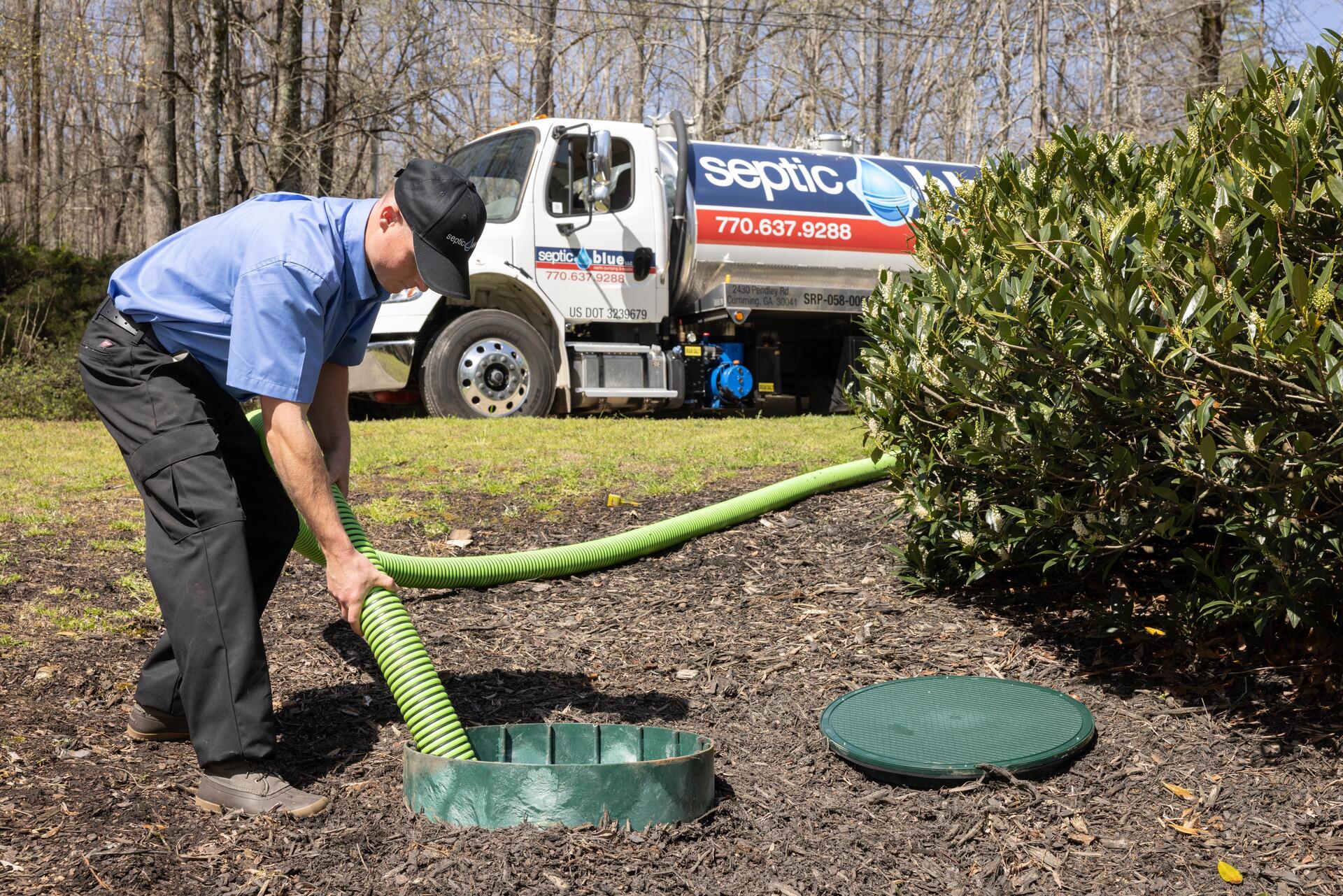
Soil composition plays a much bigger role in septic system performance than most homeowners realize, since a drain field's ability to properly absorb wastewater depends entirely on what's happening beneath the surface. Percolation testing measures exactly how well soil handles this job, revealing potential problems before a system is even installed. Understanding this process helps explain why some properties struggle with drainage issues despite having a seemingly well maintained system.
 Sep 08, 2026
In this blog post, our professionals from Septic Blue will talk about what percolation testing involves and why soil type matters so much for drain field function.

A patch of soggy grass…

Lakeland's landscape, with its numerous…

Slow drains throughout the house…

Soil composition plays a much…
A percolation test, often called a perc test, measures how quickly water drains through soil at a specific depth and location on a property. This test involves digging a hole, filling it with water, and timing how long it takes to drain, providing a clear picture of the soil's absorption rate. A septic company in Lakeland, FL relies on these results to determine if a property's soil can adequately support a standard drain field or if alternative system designs might be necessary.
Clay soil has extremely small particles that pack together tightly, leaving very little space for water to move through at a reasonable rate. This dense structure causes water to drain far too slowly, often leading to standing water above the drain field or backups within the system itself. Properties with significant clay content sometimes require specialized system designs, like mound systems, to compensate for the soil's poor natural drainage capability.
Soil that's already saturated, whether from natural groundwater levels or seasonal flooding, offers little to no additional capacity to absorb wastewater from a septic system. This saturation can occur seasonally in some areas, meaning a drain field that functions adequately during dry months might struggle significantly during wetter periods. Homes in these conditions often benefit from working with a septic service familiar with regional soil and water table patterns specific to the area.
The results from a percolation test directly influence how large a drain field needs to be, since soil that drains slowly requires significantly more surface area to handle the same volume of wastewater as faster draining soil. This is why two properties of similar size can end up with very different septic system designs based entirely on their soil composition. Skipping or ignoring these test results during installation can lead to chronic drainage problems down the road.
Even with proper testing and design, homes with challenging soil conditions often benefit from a more consistent maintenance schedule, since these systems have less margin for error when it comes to overloading. Staying current with septic pumping helps reduce the volume of solids reaching the drain field, which matters even more when soil is already working at a disadvantage. Routine septic cleaning paired with mindful water usage gives these systems their best chance at long term reliability.
Soil composition plays a far bigger role in septic system performance than most people initially realize, making percolation testing an essential step before any installation begins. Knowing your property's soil type helps explain both the design of your system and any ongoing challenges it might face. Getting in touch with a septic company familiar with your area's soil conditions is the best way to ensure your system performs reliably for years to come.
Are you looking for a septic service? Luckily, we at Septic Blue have dedicated workers ready at your disposal. Contact our representatives for more questions.
Discovering that your property requires a new septic tank can…
View Service