"WE NOT ONLY PUMP YOUR TANK - WE CLEAN IT!"

WE NOT ONLY PUMP YOUR TANK - WE CLEAN IT! Get 10% Off Septic Repair Today
Up to 36 Months Financing Available
"WE NOT ONLY PUMP YOUR TANK - WE CLEAN IT!"
WE NOT ONLY PUMP YOUR TANK - WE CLEAN IT! Get 10% Off Septic Repair Today
Up to 36 Months Financing Available
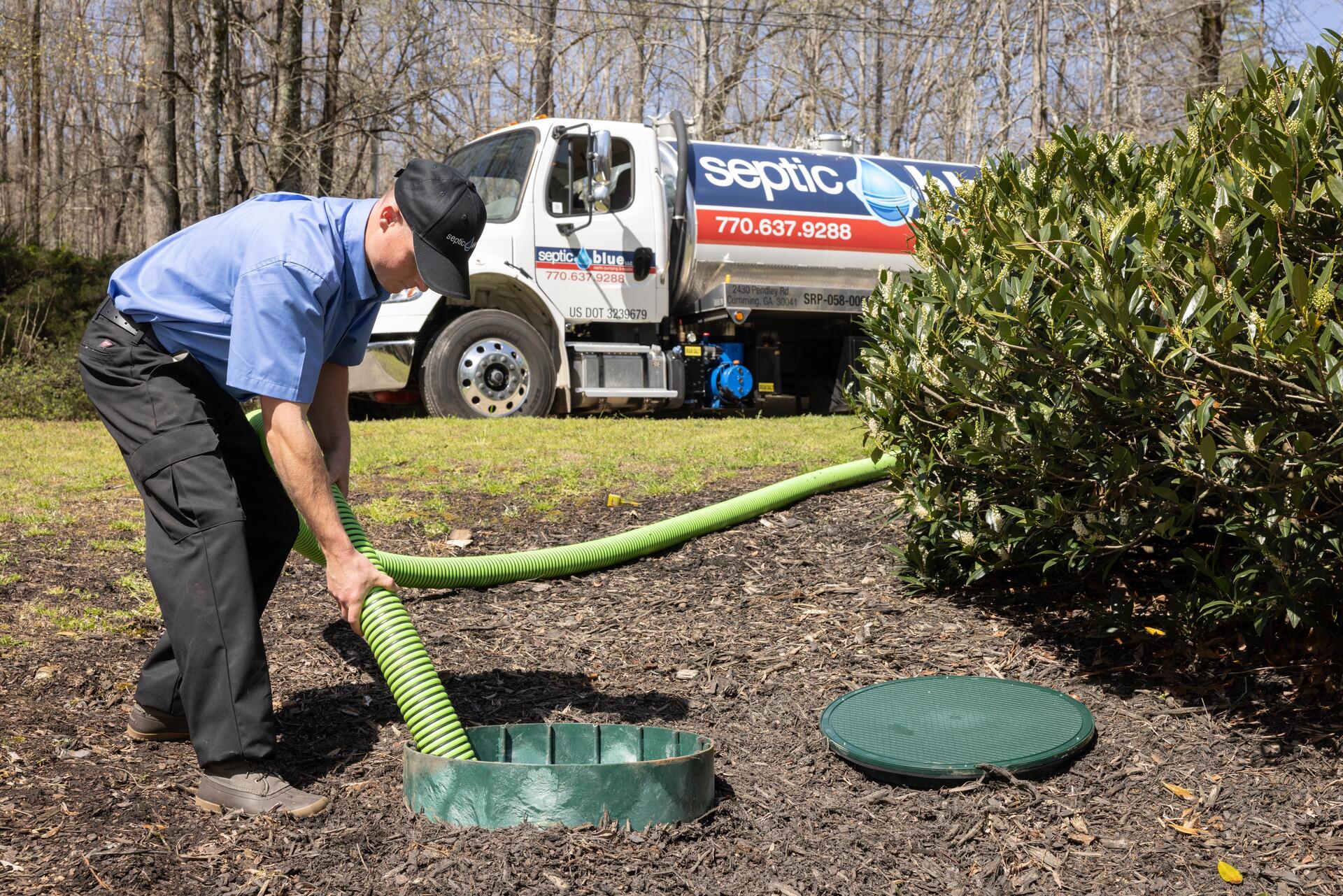
Slow drains throughout the house can mean very different things depending on what's actually happening within your septic system. Sometimes the cause is minor and easily resolved, while other times it signals that your drain field is struggling to function the way it should. Knowing how to tell these two scenarios apart helps you respond appropriately instead of either overreacting or ignoring a problem.
 Sep 16, 2026
In this blog post, our professionals from Septic Blue will show how to distinguish between simple slow drains and true drain field failure.

A patch of soggy grass…

Lakeland's landscape, with its numerous…

Slow drains throughout the house…

Soil composition plays a much…
Ordinary slow drains usually affect just one or two fixtures and either improve temporarily after plunging or clear up entirely once a minor clog is removed. These situations typically involve localized buildup close to the fixture itself rather than anything happening deeper within the septic system. If the slowness resolves quickly and doesn't return, it's usually safe to treat it as a routine household issue instead of a sign of a bigger problem.
Drain field failure tends to produce a different pattern, with slow drains affecting multiple fixtures throughout the house simultaneously and showing little improvement even after basic troubleshooting. This kind of widespread slowness often develops gradually, worsening over the course of weeks. A septic company in Lakeland, FL can help determine if this pattern points toward the drain field specifically or another part of the system entirely.
Standing water, soggy ground, or unusually green and lush grass above the area where your drain field sits are strong indicators that wastewater isn't being absorbed properly. These outdoor symptoms, when combined with slow drains inside the house, make a much stronger case for drain field trouble than indoor symptoms alone. Walking your property periodically to check for these signs can help you catch drain field issues before they escalate into a full backup.
Simple slow drains usually require minimal intervention, sometimes resolved with nothing more than a plunger or a basic drain snake. Drain field failure, on the other hand, requires professional evaluation and can involve significant repair or even partial replacement depending on the extent of the damage. A septic service experienced in both scenarios can quickly pinpoint which category your symptoms fall into, saving you from unnecessary repairs or ignoring a serious issue.
If slow drains persist despite basic troubleshooting, or if you've noticed any of the outdoor warning signs mentioned above, it's time to bring in a professional for a closer look. This evaluation usually includes checking tank levels, since a tank overdue for septic pumping can sometimes mimic drain field symptoms even when the field itself is healthy. Staying proactive with routine septic cleaning and inspections helps you catch the true cause before the problem worsens significantly.
Distinguishing between simple slow drains and drain field failure comes down to paying attention to patterns, both inside your home and out in the yard. Recognizing which scenario you're facing helps you respond with the right level of urgency and avoid unnecessary worry or costly delays. A proper evaluation from a septic company is the clearest way to know exactly what your system needs.
Are you in need of a septic service? Luckily, we at Septic Blue have dedicated workers ready at your disposal. Contact our representatives for more questions.
Discovering that your property requires a new septic tank can…
View Service