"WE NOT ONLY PUMP YOUR TANK - WE CLEAN IT!"

WE NOT ONLY PUMP YOUR TANK - WE CLEAN IT! Get 10% Off Septic Repair Today
Up to 36 Months Financing Available
"WE NOT ONLY PUMP YOUR TANK - WE CLEAN IT!"
WE NOT ONLY PUMP YOUR TANK - WE CLEAN IT! Get 10% Off Septic Repair Today
Up to 36 Months Financing Available
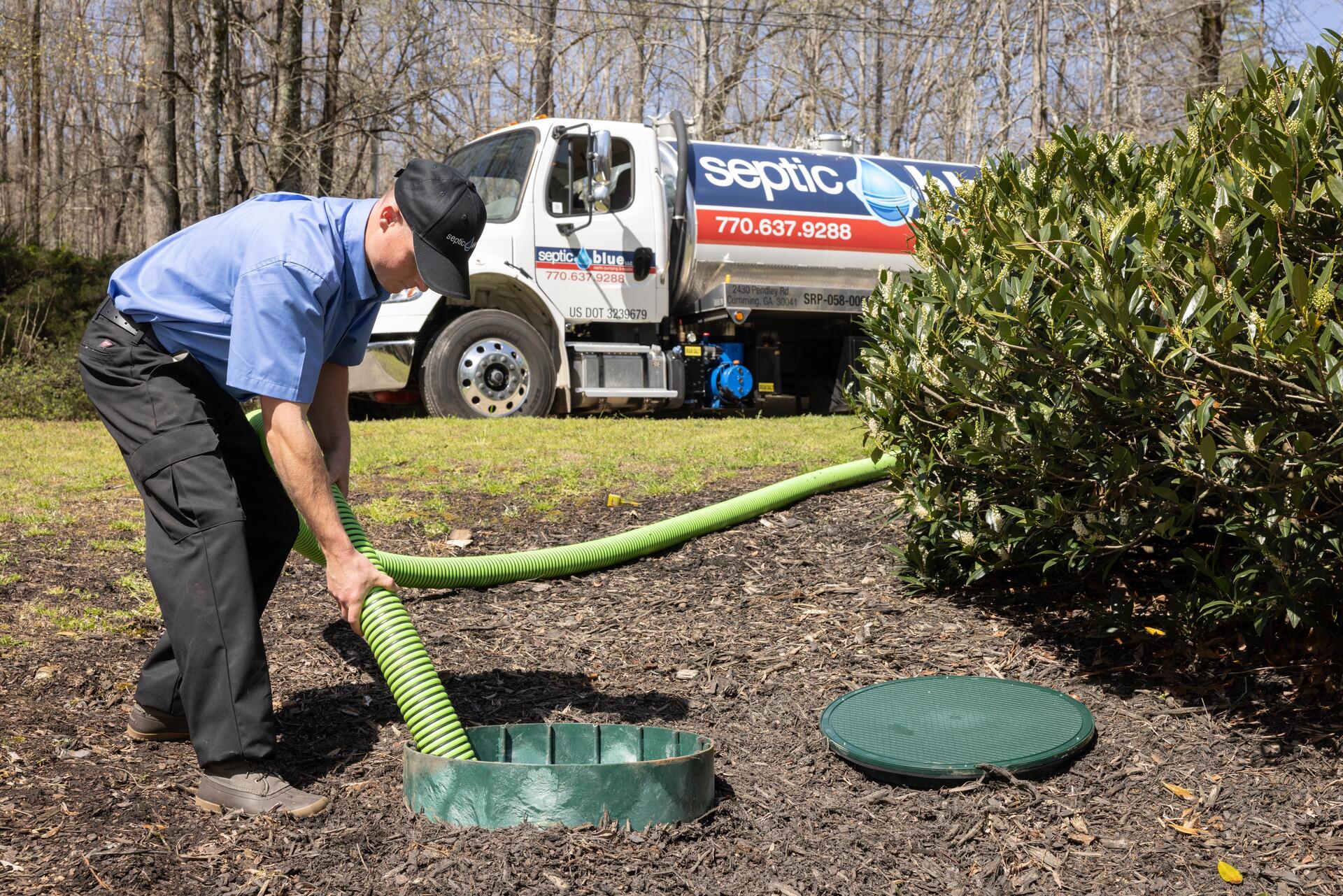
Florida rain can arrive fast and stay for days, and in Lakeland, the wet season and tropical storms test every septic system in town. Saturated soil slows the way wastewater drains, which can lead to backups and odors, so planning ahead protects your home and your yard.
.webp) Oct 20, 2026
In this blog post, our professionals from Septic Blue will explain how heavy rain affects septic systems, which warning signs to watch for, and how to prepare before the next storm.

Homeowners often hear two terms…

A passing grade from a…

A septic system handles everything…
.webp)
Florida rain can arrive fast…
A septic system relies on soil to filter and absorb wastewater, and if the ground is already soaked, that soil has little room left to take on more. Many parts of central Florida have a high water table, so the ground can fill up fast. Once the drainfield is saturated, wastewater has nowhere to go, which is why problems often appear after the first big downpour of the season. Regular septic pumping in Lakeland, FL keeps the tank from adding to the problem during these periods.
A flooded drainfield cannot absorb water, so wastewater pushes back toward the tank and the house. Rain can also seep into the tank through loose lids or cracked seals, which leaves less room for waste. Slow drains, gurgling toilets, and sewage odors are common early signs, and soggy ground over the drainfield is another clue. If you notice these signs, call a septic company soon.
Preparation makes a real difference. Arrange a septic service inspection to check the tank, lids, and pipes, since early checks can reveal cracks or leaks that storms would make worse. Make sure the lids and risers are secure and sealed, and direct gutters, downspouts, and runoff away from the drainfield. If the tank is due, plan septic pumping ahead of the wet months so it's not full when heavy rain arrives.
Water use needs extra care while the ground is saturated. Delay laundry, long showers, and dishwasher cycles until the rain eases, since even a short pause in water use gives the drainfield a chance to recover. Spread out the water you use across the day to avoid sudden surges. Stay off the drainfield and avoid opening the tank, because flooded conditions can be unsafe. If a backup begins, stop using water and reach out for help.
Once the water goes down, give the system time to dry out. Heavy weight can damage pipes in soggy soil, so keep vehicles off the drainfield. Have a professional check the tank, lids, and drainfield for damage and silt. Septic cleaning may be needed to clear solids and debris that washed in, and a local septic company that knows the area's conditions can also explain what to expect next.
Heavy rain is part of life in Florida, but major septic trouble does not have to be. Watch for early warning signs, prepare before the wet season, and treat the system gently during storms. Pair routine septic pumping and septic cleaning with a reliable service, and your system will be better prepared for the next downpour.
Are you in need of a septic service? Luckily, we at Septic Blue have dedicated workers ready at your disposal. Contact our representatives for more questions.
Discovering that your property requires a new septic tank can…
View Service