"WE NOT ONLY PUMP YOUR TANK - WE CLEAN IT!"

WE NOT ONLY PUMP YOUR TANK - WE CLEAN IT! Free Septic System Inspection ($99 Value)
Free enzyme treatment - Financing Available
"WE NOT ONLY PUMP YOUR TANK - WE CLEAN IT!"
WE NOT ONLY PUMP YOUR TANK - WE CLEAN IT! Free Septic System Inspection ($99 Value)
Free enzyme treatment - Financing Available
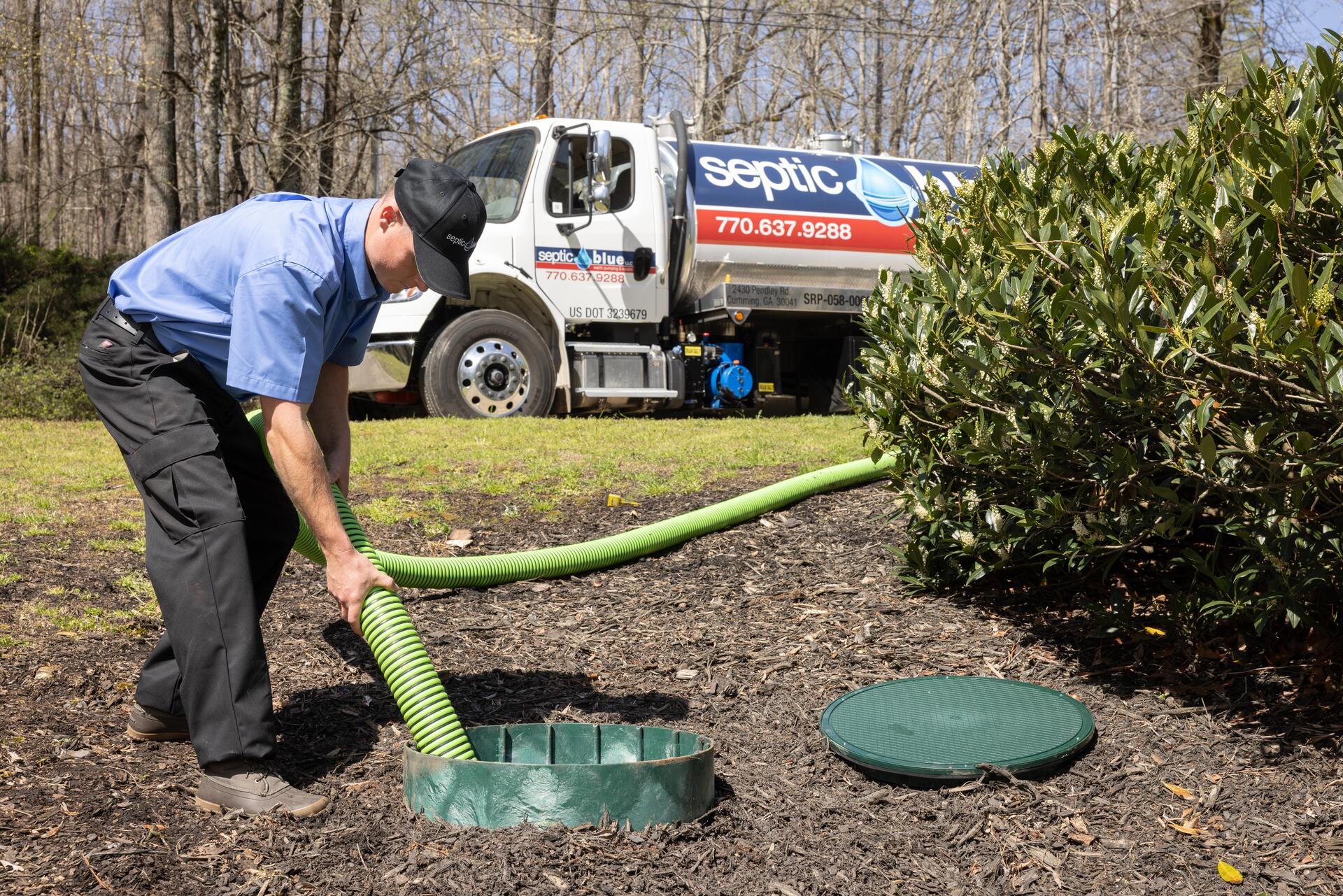
Gurgling noises coming from plumbing fixtures can feel unsettling, especially because they suggest something is not moving through the system as it should. Air bubbles traveling through pipes often create that distinct sound, and in homes connected to a septic system, that noise can point to pressure imbalances or drainage issues. While a single occurrence may not seem alarming, repeated gurgling is often a signal that something deeper within the system needs attention. In many cases, the cause traces back to buildup or blockages that disrupt normal wastewater flow.
 Mar 25, 2026
In this blog post, our professionals from Septic Blue will discuss if your pipes need septic pumping when they gurgle.
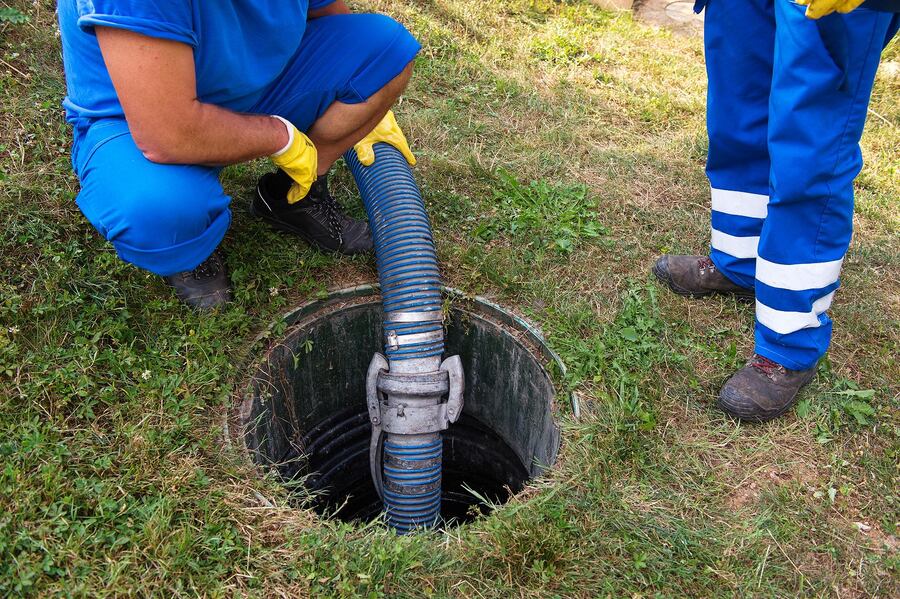
Diagnosing a septic problem used…
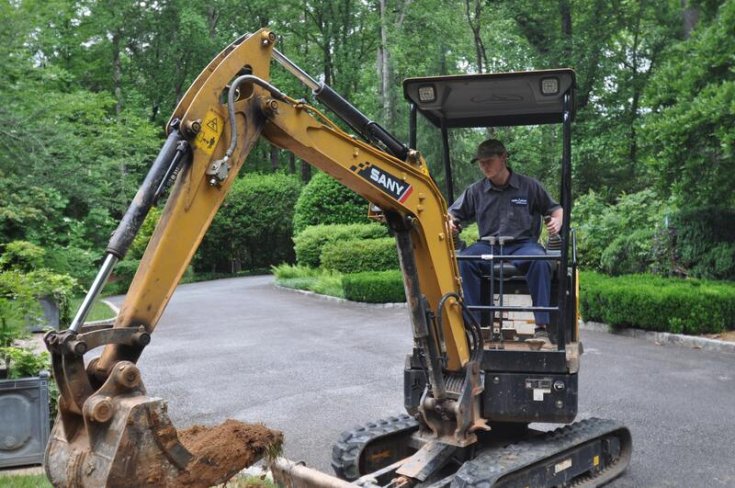
Installing a new septic system…
.webp)
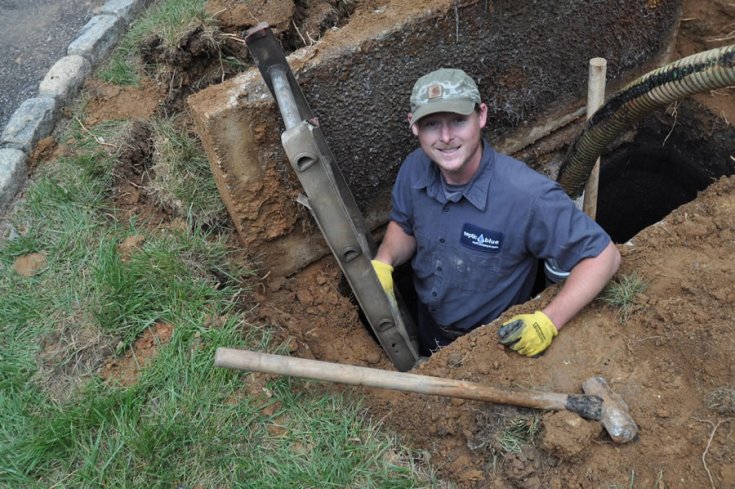
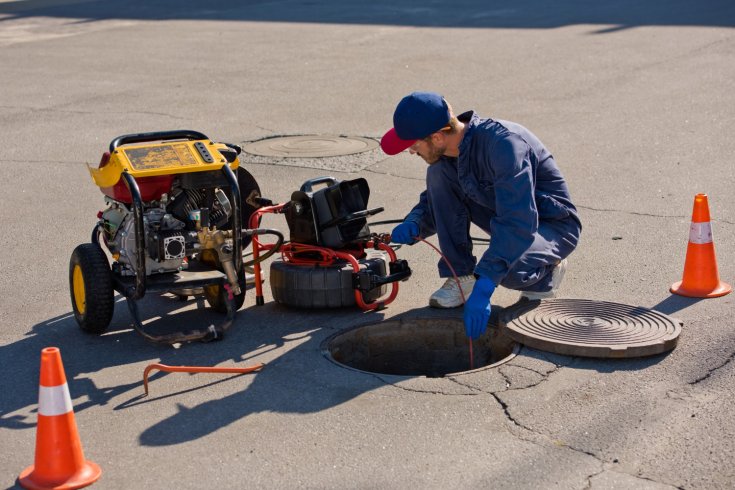
A septic backup rarely announces…
Plumbing systems rely on proper airflow and unobstructed drainage to function correctly. Gurgling sounds typically occur because trapped air is being forced through water in the pipes, which happens when wastewater cannot move freely. This can be caused by clogs in the household drains or complications within the septic system itself. If multiple fixtures—such as sinks, toilets, and tubs—begin producing similar noises, the issue may extend beyond a simple blockage and into the septic tank. A full or overloaded tank can slow drainage significantly, forcing air back through the pipes and creating that unmistakable bubbling sound.
Septic pumping plays a crucial role in maintaining the balance and efficiency of the entire system. Over time, solid waste accumulates in the tank, forming layers that reduce available space for wastewater. Without regular septic cleaning and pumping in Lakeland, FL, these layers continue to build until they interfere with normal operation. As capacity decreases, wastewater struggles to exit the tank at the proper rate, which can lead to backups and pressure changes in the plumbing. Gurgling pipes may be one of the earliest warning signs that the tank is nearing its limit.
Partial blockages within pipes or the septic system can also create the conditions necessary for gurgling. Grease buildup, non-flushable items, and excessive solid waste can all restrict flow. Instead of moving smoothly through the system, wastewater becomes slowed or redirected, allowing air pockets to form. These pockets eventually escape through fixtures, producing the gurgling sound. A professional septic company can inspect both the interior plumbing and the tank itself to determine whether the issue lies in a localized clog or a system-wide concern.
Allowing gurgling pipes to continue without investigation can result in more than just annoying noises. As the underlying issue worsens, the risk of sewage backups increases, potentially causing damage to floors, walls, and personal property. Additionally, an overfilled septic tank can push untreated waste into the drain field, leading to contamination and costly repairs. Early attention from a qualified septic service helps prevent these complications and ensures the system continues operating safely and efficiently. Addressing the problem at the first sign of trouble often saves both time and money in the long run.
Gurgling pipes are rarely the only indicator of a full septic tank. Slow-draining sinks, unpleasant odors around drains or outside areas, and pooling water near the drain field often accompany the noise. Toilets may struggle to flush properly, and water levels in bowls may fluctuate unexpectedly. These combined symptoms strongly suggest that septic pumping is necessary. Regular maintenance schedules recommended by a trusted company can help avoid reaching this point, keeping the system functioning smoothly and reducing the likelihood of emergency situations.
Are you in need of septic cleaning? Luckily, we at Septic Blue have dedicated workers ready at your service. Contact our representatives for more questions.
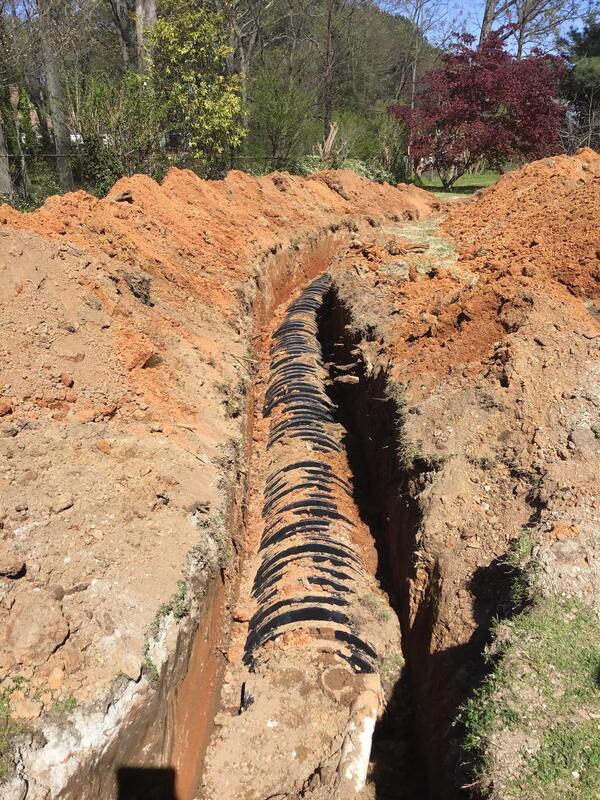
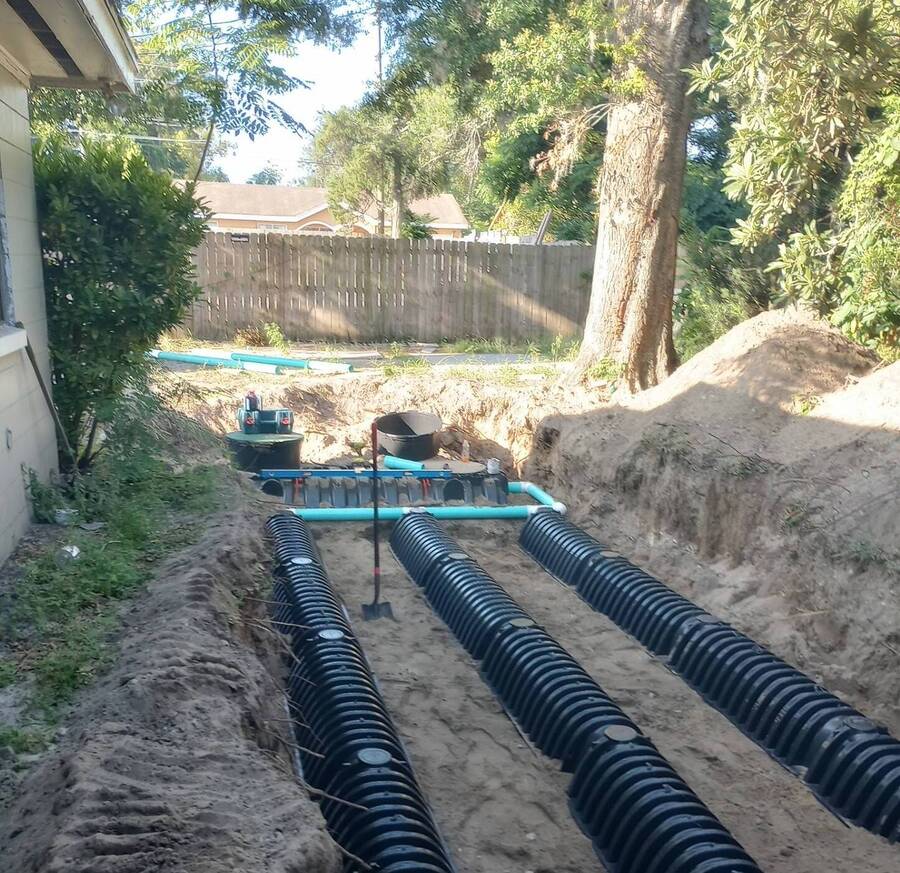
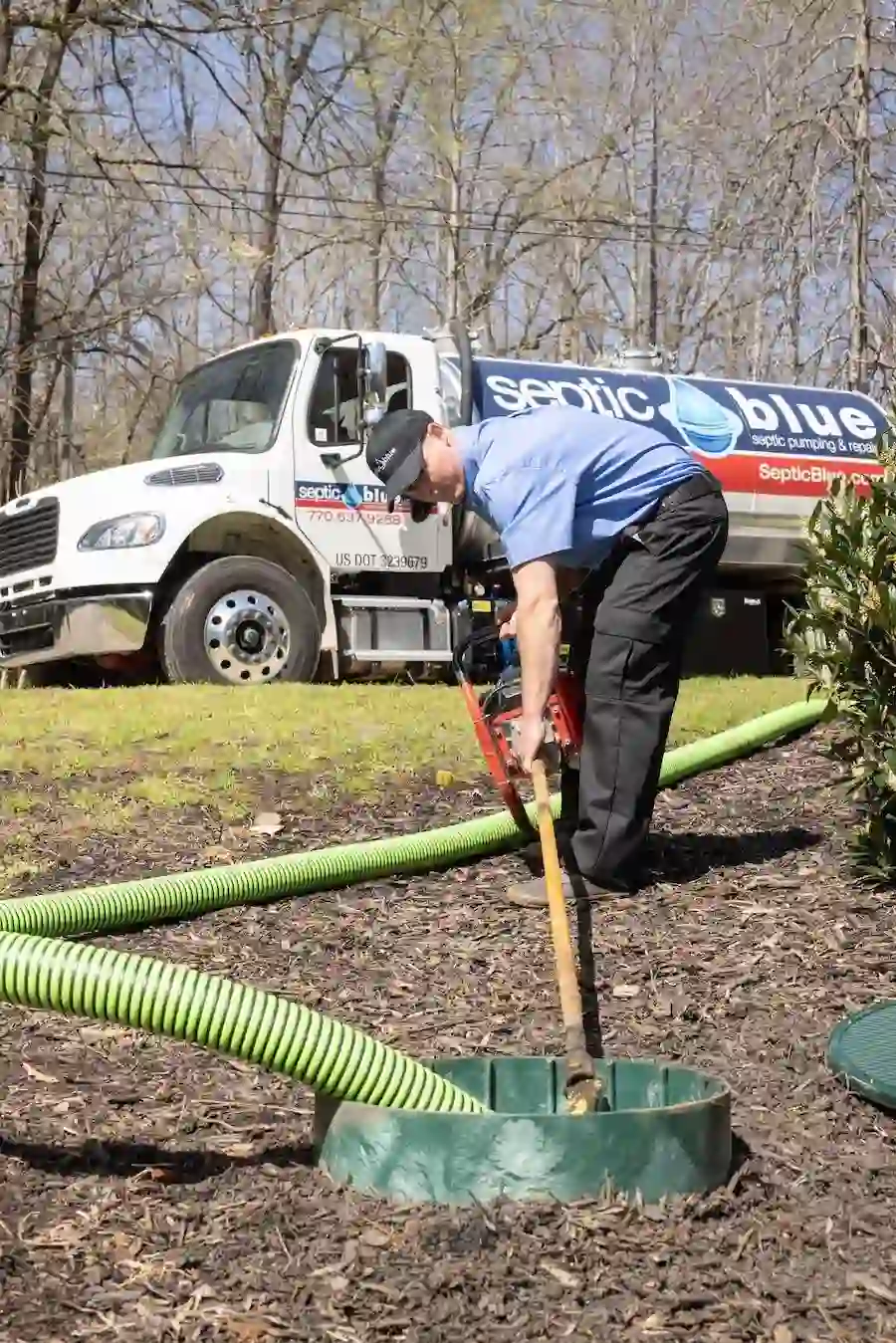
Discovering that your property requires a new septic tank can…
View Service